
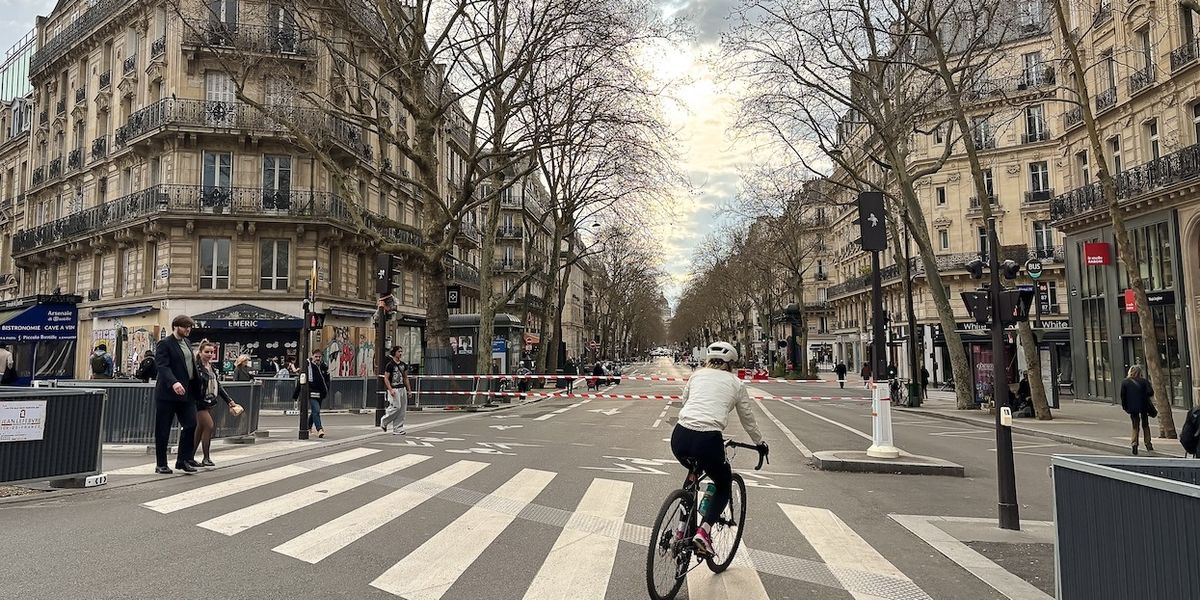
Over the past few years, anyone paying attention to cities has noticed the same thing: Paris is making bold moves — and the rest of us are watching with a mix of admiration and envy. Whether it’s the new bike lanes running down once car-clogged boulevards, the reclaimed riverbanks, or the growing network of pedestrian-only streets, Paris has become the poster child for urban transformation. But what’s happening there isn’t just a lesson in design and planning — it’s a case study in how to persist, adapt, and bring the public along when big change meets resistance. (You can watch this video if you want to get the feel of the new bike lanes in Paris.)
Expansion Of Cycling Infrastructure
Paris has made substantial investments in cycling infrastructure through two major plans:
- Le Plan Vélo (2015-2020): With a budget of €150 million, this plan aimed to double the length of bike paths in the city. It included the creation of new bike lanes, increased parking spots for bicycles, subsidies for electric bike purchases, and programs to educate residents on cycling. By 2021, Paris built over 1,000 kilometres of bike lanes, leading to a significant increase in cycling; some routes saw a 60% rise in usage between 2019 and 2020.
- Le Plan Vélo (2021-2026): Building on the previous plan’s success, this initiative allocated €250 million to add another 180 kilometres of bike lanes, including making 50 kilometres of temporary lanes permanent. The goal is to make Paris “100% cyclable,” complemented by the addition of 130,000 new bicycle parking spots.
Pedestrianization And Reclaiming Public Spaces
Efforts to prioritize pedestrians have been central to Paris’s urban policies:
- Seine River Banks: In 2016, major highways along the Seine were closed to motor vehicles, transforming them into pedestrian-friendly zones. This move reclaimed significant public space for residents and tourists alike.
- Limited Traffic Zones (LTZ): Implemented in November 2024, the LTZ restricts motorized vehicles without valid reasons from entering central arrondissements, aiming to reduce traffic and improve air quality. Introducing an initial educational phase to familiarize residents with the new regulations.
- Pedestrianization Of Streets: In March 2025, Parisians voted to pedestrianize an additional 500 streets, converting them into green, car-free zones. This initiative includes the removal of 10,000 parking spots and the creation of more green spaces, aligning with the vision of having a “garden street” within 300 meters of every resident.
What Does It Take To Win Public Support For Big Change?
While these transformations have garnered support, they have also faced opposition:
- Criticism From Suburban Commuters: Residents from the suburbs expressed concerns that reduced car access to the city centre would complicate their commutes, given the less dense public transport options in outer areas.
- Business Community Concerns: Some business owners feared that pedestrianization might deter customers who rely on cars, potentially impacting sales.
Mayor Hidalgo addressed these challenges through several strategies:
- Letting Parisians Decide: Rather than imposing changes from the top down, City Hall put big decisions — like pedestrianizing 500 streets — to a public vote. Turnout was low (just 4%), but the result was clear: two-thirds supported the plan. Even with limited participation, the referendum gave political cover and public legitimacy to push forward.
- Slow And Steady Transition: Paris rolled out reforms gradually, giving residents and businesses time to adjust. The Low-Traffic Zone (LTZ), for example, started with a six-month awareness phase before enforcement kicked in — turning potential confusion into acceptance.
- Backing It Up With Alternatives: Paris didn’t just restrict cars — it built up what came next. Major investments in bike lanes, sidewalks, and public transit made sure people had real options, making the shift away from driving not just possible, but practical.
What Cities — And Leaders — Can Learn
Paris’s transformation offers more than planning lessons — it’s a case study in how to steer complex change through public scrutiny and skepticism.
- Build Trust Through Inclusion: Inviting the public into the process — through referendums and consultations — helped shift the conversation from resistance to shared responsibility.
- Make The Case Clearly: Framing the benefits in everyday terms — cleaner air, safer streets, more public space — helped residents see what was in it for them.
Paris shows that urban change depends as much on leadership as on design. Pushback is inevitable — especially when it threatens the status quo of car dominance and parking. But Mayor Anne Hidalgo didn’t back down. She framed the changes as essential for health, equity, and the climate. She stayed visible, repeated the long-term vision, and kept the message simple: the city must become more livable, not just for today, but for future generations.
She also used timing to her advantage, accelerating bike lane construction during the pandemic when streets were quieter and habits were shifting. When opposition rose, she didn’t reverse course — she adjusted rollout strategies, used public votes for legitimacy, and kept moving forward.
With a clear vision, steady leadership, and a strategy to bring people along, cities can have their big change and deliver bold transformations that make the rest of the world jealous.