
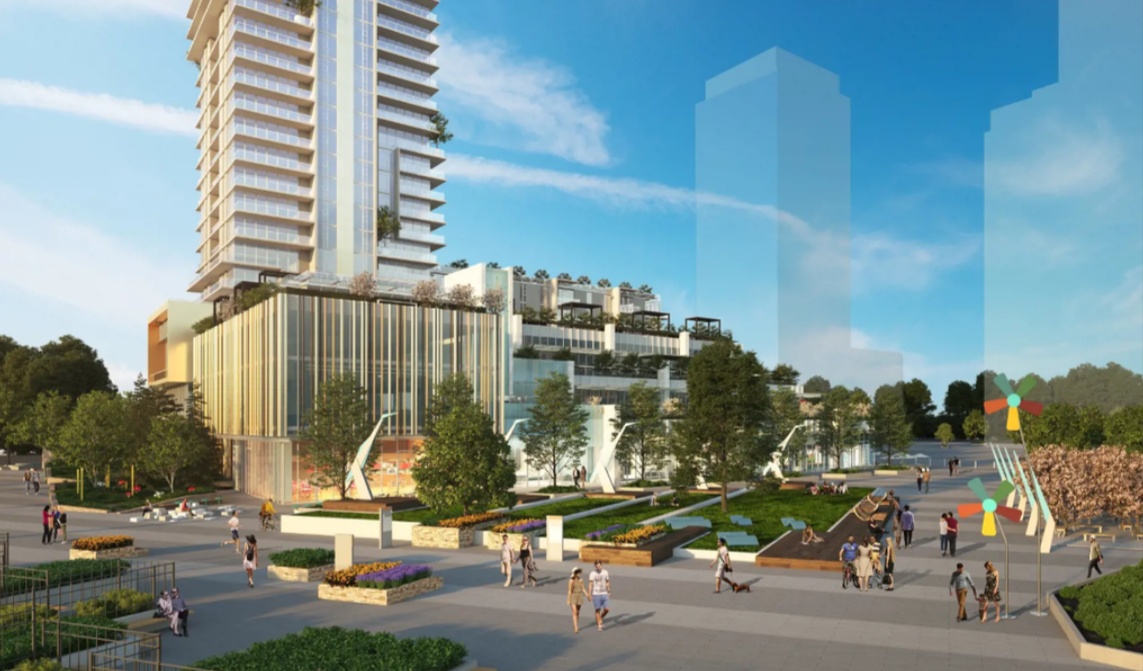
Master-planned communities (MPCs) have increasingly become more than just clusters of homes. They are emerging as holistic ecosystems that integrate sustainable practices, technological advancements, and thoughtfully designed public spaces. Developers are responding to a growing demand for environmentally responsible, resilient, and socially engaging communities, blending innovation with long-term planning. This evolution reflects a broader societal shift toward sustainable urban growth and well-being.
Climate Resilience and Adaptive Design
Climate change has forced MPCs to rethink design from the ground up. Flood-prone areas are now addressed through elevated structures and innovative drainage systems, while regions susceptible to wildfires or extreme weather adopt fire-resistant building materials and vegetation management strategies. Master-planned developments on reclaimed or previously industrial lands often integrate stormwater retention systems and natural buffers to mitigate environmental risk. Developers are prioritizing resilient infrastructure to protect both residents and investments, ensuring that communities remain functional and safe over the long term.
Cambie Gardens in Vancouver is an example of a development promoting climate resilience, and features integrated stormwater management systems, green roofs, and landscaped corridors that not only support biodiversity but also mitigate flooding and extreme rainfall.
Integration of Nature-Based Solutions
Nature-based solutions (NbS) are becoming standard in community planning. Green roofs, urban forests, and permeable surfaces manage stormwater, improve air quality, and provide recreational spaces. Incorporating green corridors and parks not only enhances biodiversity but also improves residents’ physical and mental health. Some MPCs even integrate urban agriculture, allowing residents access to fresh, local produce while promoting sustainability in food systems. By embedding these elements early in the master plan, developers are fostering a more symbiotic relationship between built and natural environments.
Cambie Gardens highlights this, and integrates community gardens throughout its development, providing access to green spaces while fostering interaction among residents. Such initiatives create healthier living environments and strengthen the connection between residents and their natural surroundings.
Smart Infrastructure and Data-Driven Planning
The rise of smart technologies has transformed MPCs into data-driven communities. IoT sensors monitor energy use, traffic flow, waste management, and water consumption in real time. These insights enable developers and city planners to optimize resources, reduce waste, and improve services for residents. Smart street lighting, sensor-based irrigation, and real-time public transit updates are just a few examples of how technology enhances sustainability and daily life. Over time, these systems also allow for predictive maintenance, reducing operational costs and environmental impact.
Century City Holland Park in Surrey is one such new development; it leverages smart infrastructure such as building automation systems, IoT connectivity, and smart lighting controls, showing how intelligent technology can enhance efficiency, connectivity, and everyday quality of life.

Century City Holland Park
Health and Wellness-Focused Design
Well-being is now central to MPC planning. Communities are designed to encourage walking, cycling, and outdoor activity, with connected trails, fitness amenities, and green spaces. Access to recreational facilities, community gardens, and communal gathering areas fosters social interaction and a sense of belonging. Developers are increasingly recognizing that residents value environments that support both physical health and mental wellness, making these features a core part of long-term community appeal.
Bridge House, within the larger master-planned community of Brightwater, features extensive walking trails and access to waterfront areas, as well as a gym and other health and wellness amenities, fostering both physical activity and mental wellness. By embedding these features into the master plan, developers promote a holistic lifestyle that appeals to modern homeowners.

Bridge House at Brightwater
Sustainable Mobility Solutions
Transportation is a significant contributor to carbon emissions, and MPCs are reimagining mobility to be cleaner and more efficient. Developments now incorporate electric vehicle (EV) infrastructure, bike-sharing networks, pedestrian-friendly streets, and connections to public transit. Aligning residential areas with transit hubs reduces reliance on private vehicles, lowers emissions, and promotes healthier lifestyles. Forward-thinking communities are also exploring shared mobility systems, such as autonomous shuttles or ride-share programs, to further reduce environmental impact.
Communities such as Century City Holland Park align residential neighbourhoods with nearby transit corridors, creating a seamless integration of sustainable commuting options, reducing vehicle dependency, and promoting environmentally conscious mobility.
Circular Economy and Resource Efficiency
Sustainability in MPCs extends to materials and resource management. Developers are increasingly using recycled, low-impact, and renewable construction materials while implementing waste diversion programs on-site. Rainwater harvesting, greywater systems, and energy-efficient appliances are becoming standard. By embracing circular economy principles, these communities minimize their environmental footprint and cultivate a culture of responsible resource use among residents.
The Clove exemplifies this approach with energy-efficient systems and other sustainability measures to reinforce a culture of resource efficiency.

The Clove
Community Engagement and Social Sustainability
A successful MPC integrates residents’ voices into the planning process. Participatory design workshops and ongoing governance opportunities encourage community ownership and engagement. This social sustainability ensures that developments not only meet environmental standards but also serve the needs and values of the people who live there. Inclusive programming, mixed-use development, and communal spaces strengthen social cohesion, making communities resilient to both social and environmental challenges.
Cambie Gardens incorporated resident input into its community layout and shared amenities, creating spaces that are both functional and socially sustainable; communal areas encourage interaction, building resilient and interconnected neighbourhoods.
Innovation in Building Materials and Construction
Advances in construction technology and materials have enabled MPCs to become more sustainable and efficient. Cross-laminated timber, modular construction, and low-carbon concrete reduce environmental impact while accelerating build times. Some communities incorporate passive solar design, natural ventilation, and high-performance insulation to reduce energy demand. By integrating these innovations from the outset, developers create high-quality, environmentally responsible homes that appeal to conscious buyers.
Economic Viability and Long-Term Planning
Sustainability does not come at the expense of economic feasibility. MPC developers are balancing long-term operational savings, environmental stewardship, and market appeal. Strategic phasing, integrated mixed-use zones, and energy-efficient infrastructure create communities that are both financially and environmentally resilient. Over time, these investments in innovation and sustainability enhance property values and attract residents who prioritize long-term quality of life.
Master-planned communities today are redefining what it means to live sustainably and innovatively. By embracing climate resilience, nature-based solutions, smart infrastructure, wellness-focused design, and sustainable mobility, developers are creating environments that enhance quality of life while reducing environmental impact. Combined with social engagement, innovative construction methods, and long-term economic planning, these communities set a new standard for how urban spaces can evolve. As these trends continue to shape the future of urban development, they offer a blueprint for resilient, sustainable, and vibrant communities that meet the needs of both residents and the planet.

Pangea