
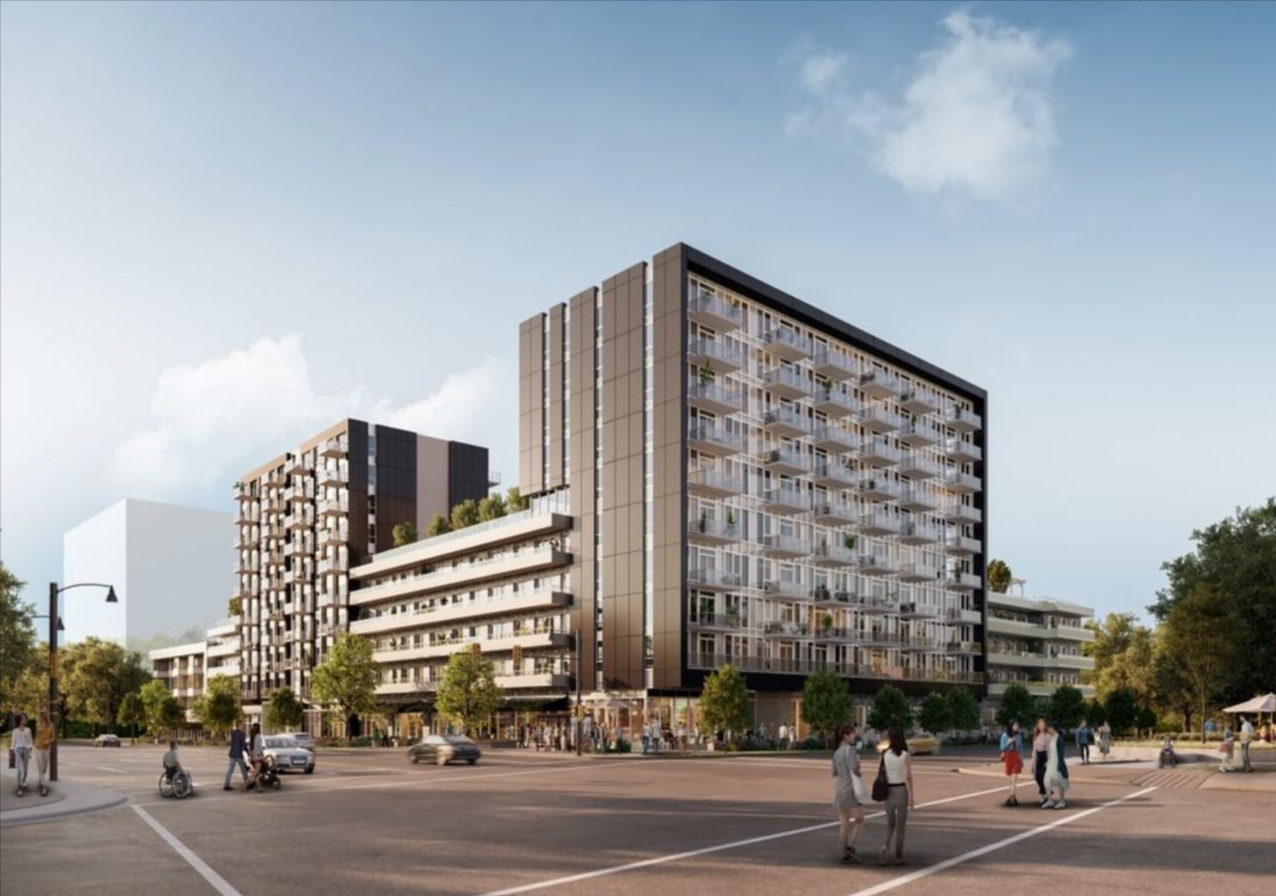
Pierwell in Dunderave
Multi-use properties, often described as developments that blend residential, commercial, cultural, and recreational spaces into one location, are increasingly shaping the urban landscape. These projects are no longer limited to downtown towers or sprawling suburban complexes; they are appearing across markets worldwide, driven by shifting lifestyles, urban density pressures, and evolving expectations for how people want to live, work, and interact with their communities.
Redefining Convenience and Lifestyle
One of the strongest drivers of multi-use property growth is the desire for convenience. By placing retail, dining, office space, and housing within the same development, these projects significantly reduce the need for commuting or long errands. Residents can step out their front door and access services ranging from grocery stores to gyms, often without needing a car.
This model aligns well with the rise of walkable communities, particularly as younger generations prioritize proximity to amenities over square footage. For urban planners and developers, this trend provides a solution to meet housing needs while addressing consumer demand for live-work-play environments. In major Canadian cities like Toronto and Vancouver, where density challenges are acute, mixed-use complexes have become central to new master-planned communities.
Frame in Vancouver
A Response to Urban Density Pressures
Urban areas face a dual challenge: accommodating population growth while managing limited space. Multi-use developments offer a practical solution by consolidating multiple functions into one footprint. This reduces urban sprawl, makes more efficient use of infrastructure, and supports sustainable growth.
In Canada, cities such as Montreal and Calgary have integrated mixed-use zoning into redevelopment projects, ensuring older industrial or underutilized land can be revitalized with a combination of housing, offices, and retail. This not only makes better use of land but also creates vibrant, multi-functional neighbourhoods that encourage foot traffic and reduce reliance on cars.
Retail and Hospitality Integration
For retailers and hospitality operators, multi-use properties present a unique opportunity. Having a built-in residential and office population creates a reliable customer base. This makes it easier to sustain local businesses, even in times of economic uncertainty, while also increasing foot traffic for restaurants, cafés, and entertainment venues.
Developments that combine residential towers with hotels, for example, can maximize occupancy and ensure amenities like gyms, pools, and dining spaces are shared across multiple user groups. In markets where tourism and housing demands intersect, such as downtown cores or waterfront districts, this model can help stabilize revenue streams.
Community and Social Value
Multi-use projects are not just about efficiency; they also strengthen community bonds. By incorporating cultural spaces, green areas, and gathering points, these developments create opportunities for social interaction that traditional single-use zones often lack.
In Canada, some municipalities have encouraged developers to include public art, libraries, or recreation centres within their multi-use plans. This helps address civic needs while ensuring that new neighbourhoods feel inclusive and accessible. For residents, these shared spaces foster a stronger sense of belonging and community identity, and reinforce demand for these residences.
Investor Appeal and Long-Term Value
From an investment standpoint, multi-use properties carry a level of resilience that single-use developments may not. Diversified income streams, coming from sources like residential rents, retail leases, office tenants, and hospitality revenues, can help mitigate risk during market fluctuations. If one sector experiences a downturn, other components can sustain the property’s financial performance.
This model has proven attractive to institutional investors, pension funds, and real estate investment trusts, which often prioritize stable, long-term growth. In Canadian markets, where housing affordability remains a concern, multi-use developments that incorporate both market-rate and affordable units may present strategic investments that align financial goals with social responsibility.
Capital Appreciation Through Location and Density
Investors are also drawn to multi-use projects because they are often positioned in areas undergoing significant redevelopment. Locations near transit hubs, waterfronts, or revitalized industrial zones tend to see strong appreciation in land value over time. For developers and early investors, this means the potential for outsized gains not only from rental income but also from long-term appreciation as the surrounding neighbourhood matures.
In cities like Vancouver and Toronto, where land is scarce, the density permitted for multi-use projects can significantly increase returns compared to single-use developments. By stacking residential, retail, and office functions, developers can capture multiple revenue streams from the same parcel of land.
Diversification as a Risk Mitigation Strategy
One of the underappreciated benefits of multi-use properties is the built-in diversification they provide. Unlike traditional investments that rely on a single tenant type, mixed-use developments create layered revenue. A downturn in office demand may be offset by strong residential leasing, while steady retail performance can balance hospitality fluctuations.
Institutional and Global Interest
The rise of multi-use properties can also attract the attention of global capital. International investors view these projects as strategic long-term holdings that align with trends in urbanization, sustainability, and demographic shifts. Canadian projects have seen significant interest from overseas buyers, including pension funds and private equity groups seeking exposure to stable, diversified real estate portfolios.
Sustainability Advantages
Sustainability is another major factor contributing to the popularity of multi-use properties. By reducing the need for car travel and encouraging walkable lifestyles, these developments can lower emissions and promote healthier living. In addition, many projects integrate green building practices, energy-efficient systems, and shared resources that improve environmental performance.
Canadian initiatives, such as LEED-certified multi-use towers in Toronto and Vancouver, highlight how these developments can meet both market demand and environmental policy goals. Municipalities are also recognizing that multi-use projects contribute to climate resilience by making communities more compact, efficient, and adaptable.
Looking Ahead
The rise of multi-use properties reflects a broader shift in how cities and communities are being designed for the future. As populations grow and lifestyle preferences evolve, the appeal of living in spaces that combine work, leisure, and social interaction is likely to continue.